InKend
Info on popular culture and everyday life
Info on popular culture and everyday life
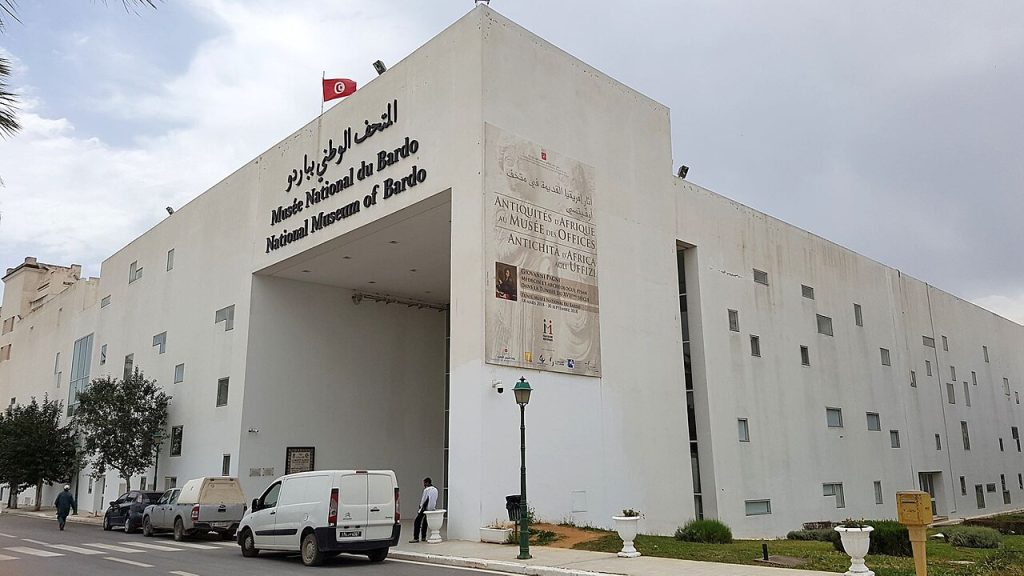
Once the palace of the beys of Tunis, the Bardo is now a national museum holding the world’s greatest collection of Roman mosaics.
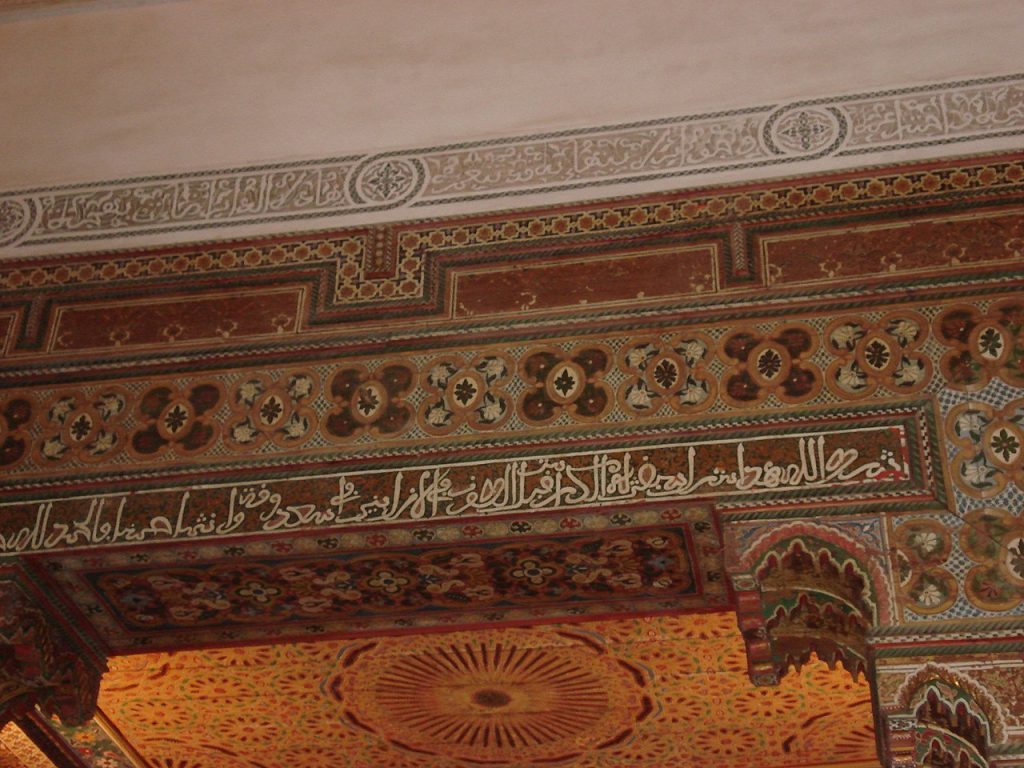
Built for Morocco’s grand viziers, the sprawling Bahia Palace in Marrakech dazzles with zellij tilework, carved stucco, and painted cedar ceilings.
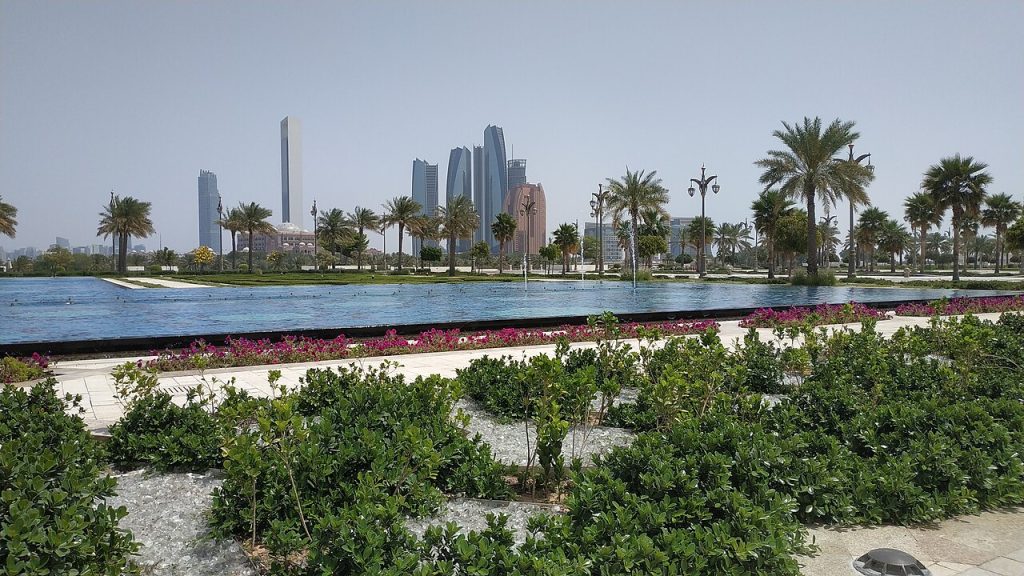
A working presidential palace in Abu Dhabi opened to the public, Qasr Al Watan celebrates Arab governance, knowledge, and craftsmanship under a vast white dome.
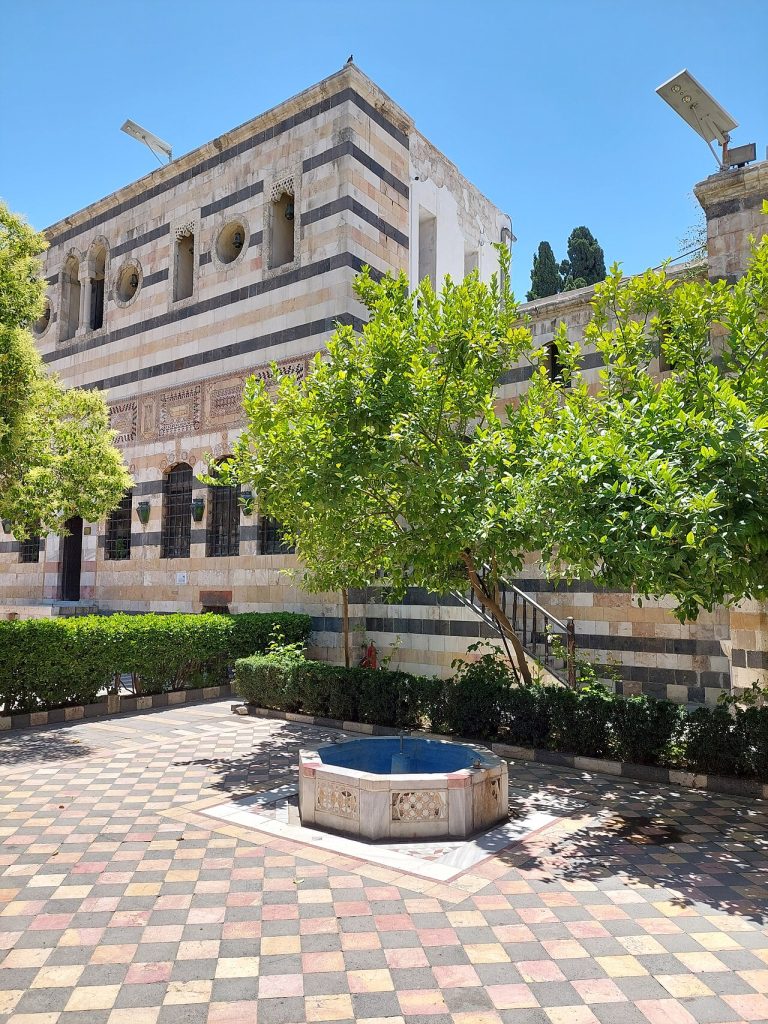
Built by an Ottoman governor, the Azm Palace is the finest surviving Damascene courtyard house, famed for its banded stone, painted ceilings, and cool gardens.
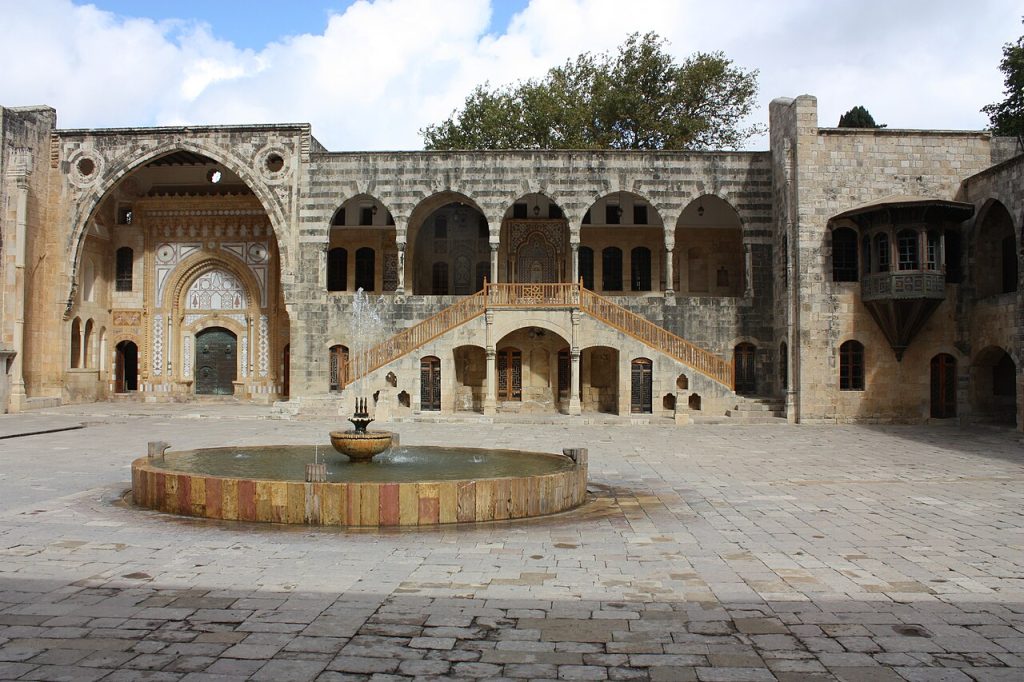
Built over decades by a powerful emir in Lebanon’s Chouf Mountains, Beiteddine blends Arab and Italian styles and guards a famed Byzantine mosaic collection.